TL;DR
Product sampling gives consumers free products to drive trial, awareness, and review generation. Cashback promotions refund part or all of the purchase price after buying, protecting shelf price while driving sales velocity. Sampling generates reviews naturally (85% submission rates in structured campaigns), while cashback only produces reviews if the programme explicitly requires them. Digital sampling, where consumers buy at shelf price and receive receipt based cashback, is emerging as the hybrid model that delivers both. The best UK FMCG strategies combine both mechanics rather than choosing one, and layer in sustainability, audience targeting, and ROI measurement from the start.
Introduction
UK FMCG brand managers face a recurring decision: spend the promotional budget on getting products into consumers’ hands for free, or let them buy at full price and reward them with money back? Both approaches work. Neither is universally better. The right choice depends on your brand’s maturity, review coverage, retailer relationships, and what you need the promotion to achieve beyond the initial transaction.
This guide breaks down product sampling vs cashback promotions across every dimension that matters to someone managing a UK grocery brand. Definitions, costs, data capture, review generation, audience targeting, sustainability, budget planning, and the mistakes that waste budget. If you’re weighing these two mechanics for an upcoming NPD launch or a category growth plan, this is the comparison you need.
Explore promotional mechanics designed for UK FMCG brands.
What Is Product Sampling?
Product sampling is a marketing strategy where brands distribute free or heavily discounted products to consumers to encourage trial, build awareness, and drive conversion. The consumer takes on zero purchase risk. They receive the product, use it, and form an opinion before ever spending their own money.
In UK grocery, sampling takes several forms:
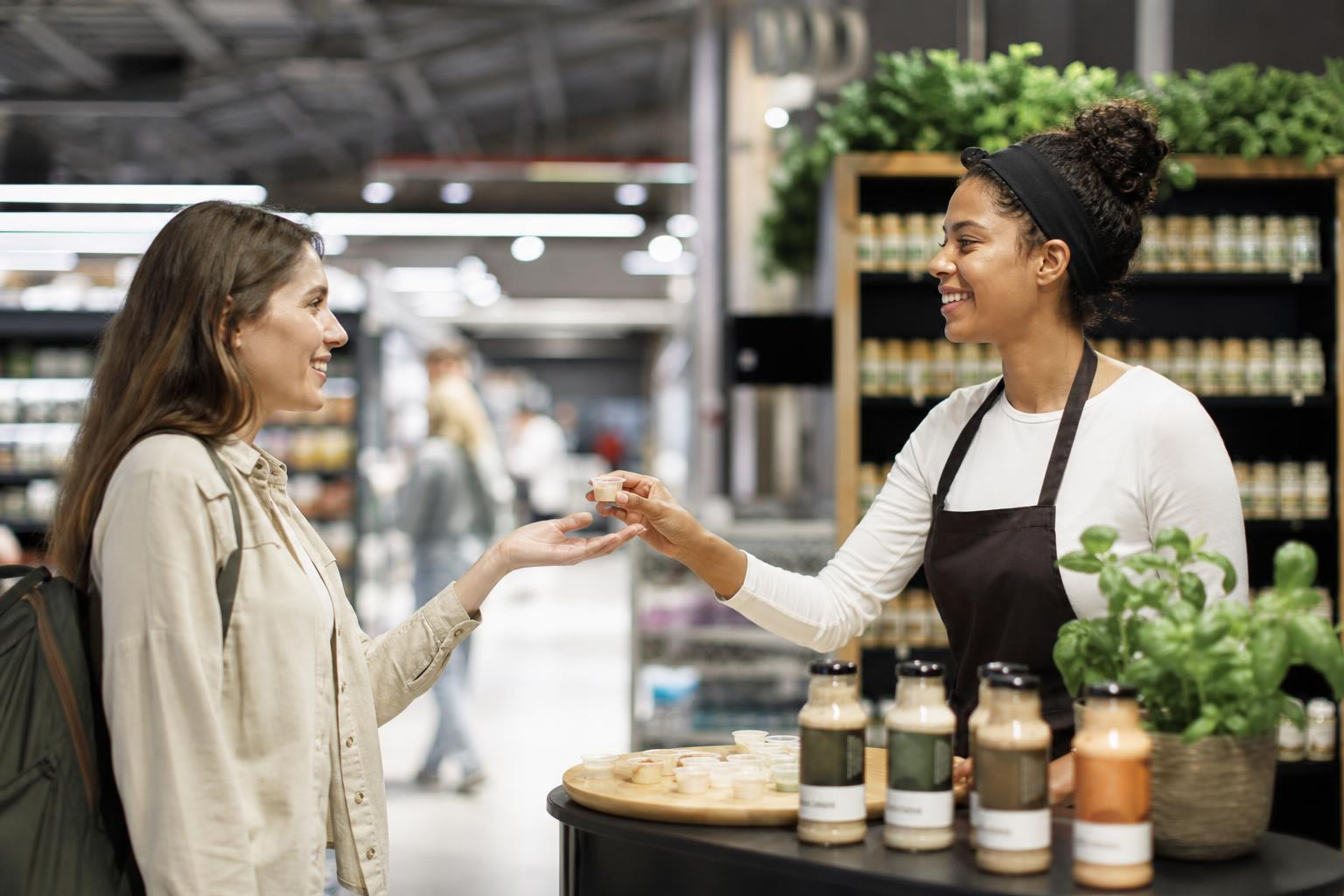
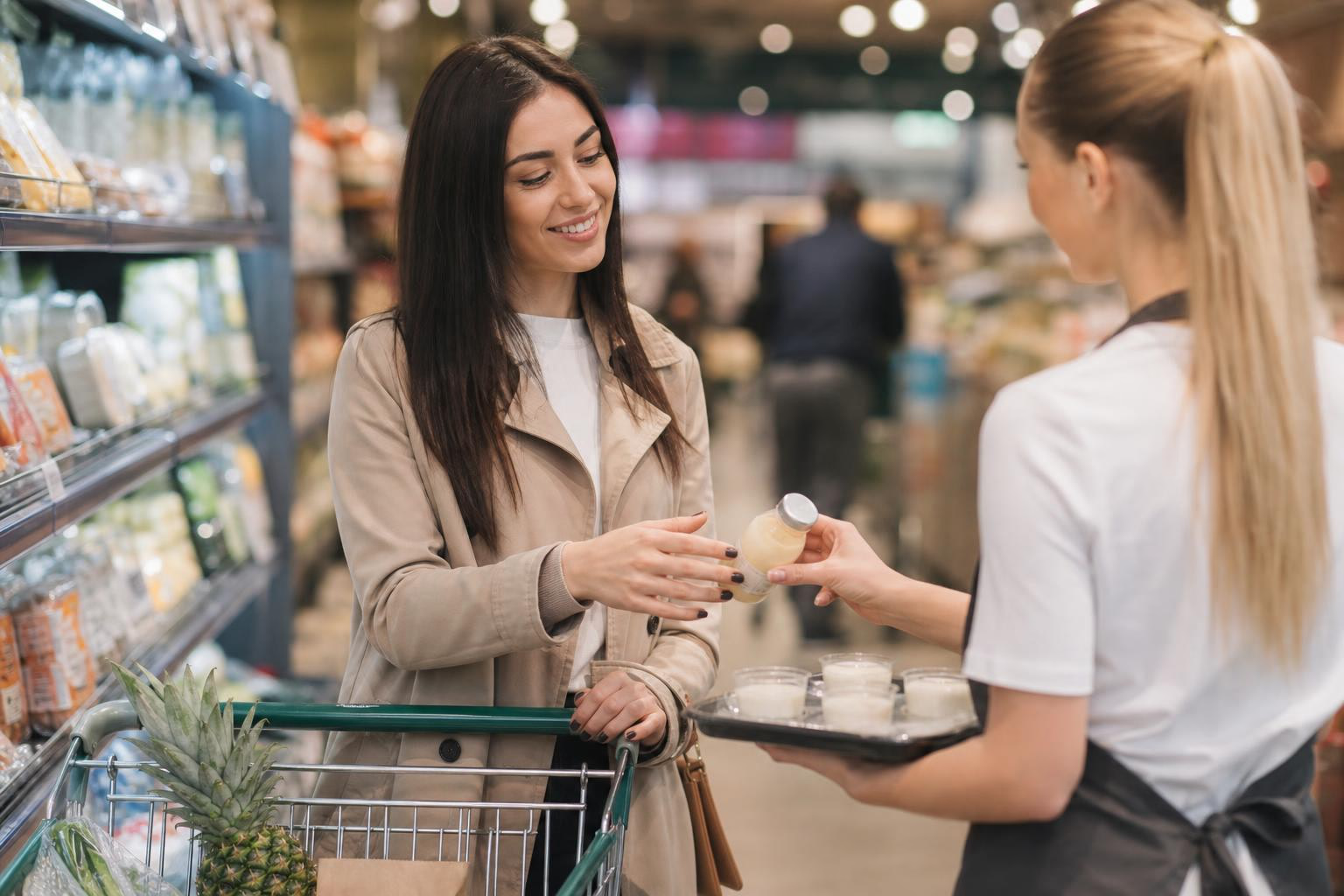
In store sampling places brand ambassadors or demo stations inside retailers like Tesco, Sainsbury’s, or Waitrose. Shoppers try the product during their regular shop. It’s high impact but expensive, logistically complex, and dependent on retailer approval windows.
In home or direct mail sampling sends full size or trial size products to targeted consumers. Brands control who receives the sample based on demographics, purchase history, or category interest.
Digital sampling uses online platforms where consumers apply to receive a product. This approach captures first party data (name, email, preferences) at the point of application.
Cashback based sampling is a growing hybrid where consumers buy the product at shelf price and receive 100% cashback, effectively making the product free while creating a real purchase transaction. This model, sometimes called digital product sampling, is gaining traction because it removes the logistics of physical fulfilment while still generating a genuine point of sale record that retailers can track.
Why Sampling Works: The Numbers
The data on sampling effectiveness is hard to argue with. According to Sampling Effectiveness Advisors, 73% of consumers said they were likely to buy a product after trying it. Only 25% said the same about seeing a television ad. A separate Eventeem survey found that 65% of consumers purchased a product because they sampled it first, with 58% saying they’d buy again.
Where sampling gets particularly interesting for UK e-commerce teams is the review generation angle. PowerReviews analysed 1.5 million product pages and found a 120.3% lift in conversion when visitors interacted with reviews. Their sampling campaigns yield an 85% average review submission rate, meaning for every 10 samples sent, a brand can expect roughly 8.6 reviews back. For brands launching NPD with zero review coverage on retailer sites, that connection between sampling and reviews is critical. The guide to product review generation covers this pathway in detail.
Sampling also has staying power. Unlike coupon campaigns that brands can typically track for only two to four months, the value of a sampling campaign can be measured for 12 months or longer through sustained awareness, word of mouth, and repeat purchases.
What Is a Cashback Promotion?
A cashback promotion is a sales promotion strategy where consumers receive a refund or partial rebate after purchasing a qualifying product. The consumer buys at full shelf price, uploads their receipt to an app or website, and receives money back, usually within a few days.
This is fundamentally different from a discount. Discounts reduce the price at the point of sale. Cashback rewards consumers after the purchase, which means the product’s shelf price stays intact. For UK FMCG brands, that distinction matters more than it might seem.
How Cashback Works in UK Grocery
The typical UK cashback flow looks like this: a brand funds the cashback offer through a platform like CheckoutSmart, Shopmium, or GreenJinn. Consumers browse available offers, purchase the qualifying product at any participating retailer, snap a photo of their receipt, and submit it through the app. The platform verifies the purchase and processes the rebate.
This mechanic is retailer agnostic in most cases. Brands can run cashback campaigns across Tesco, Sainsbury’s, Asda, Morrisons, and more without needing individual retailer approval. That flexibility is a genuine advantage, particularly given that UK grocery retailers are rightly particular about what brands can and cannot promote under the Groceries Supply Code of Practice.
For a deeper look at the mechanics, the retail promotions glossary covers setup, compliance, and cost structures across promotional types.
Why Cashback Protects Brand Value
Constant discounting erodes brand value. When consumers see a product perpetually on offer at a reduced price, they anchor to the lower price and resist paying full price later. Cashback avoids this trap entirely. The product sells at its intended shelf price. The consumer feels rewarded. The retailer maintains its margin. And the brand preserves its value proposition.
Research from Savi found that one in three UK shoppers are influenced by cashback promotions. The UK cashback market is expected to grow at an 11.3% CAGR from 2024 to 2029. The cost of living crisis has accelerated this trend as consumers actively search for ways to maximise their purchasing power without trading down to cheaper brands.
A moderate cashback redemption rate of around 30% to 40% is actually ideal. It means consumers are attracted to the offer, but not every redemption needs to be paid out, making the promotion cost effective for the brand.
Digital Product Sampling: The Receipt Cashback and Coupon Hybrid
The line between sampling and cashback has blurred considerably. Digital product sampling, where consumers purchase at full shelf price and receive 100% cashback via a receipt upload or coupon, now accounts for a growing share of UK FMCG trial activity.
Why is this model winning? Three reasons.
First, it creates a real purchase transaction. Unlike traditional sampling where a product is simply handed over, the consumer walks through a retailer checkout. That transaction registers on the retailer’s EPOS system, contributing to rate of sale metrics that matter during range reviews. Practitioners on Reddit’s r/FMCG forums report that this is a key reason brand teams prefer receipt based sampling over traditional methods: it generates “real” sales data retailers can see.
Second, digital sampling eliminates the logistics headache. There’s no need for sample size production runs, warehouse coordination, or fulfilment partnerships. The product is already on shelf. The brand simply funds the rebate.
Third, it feeds review generation when paired with a follow up prompt. A consumer who buys at full price and gets cashback has experienced the product as a regular shopper. Their review reads authentically because the purchase was authentic. This is the model that platforms like CheckoutSmart’s Review Reward Programme are built on, and it’s what makes the product sampling for reviews approach so effective for NPD launches.
The coupon variant works similarly but executes differently. Instead of post purchase cashback, brands distribute digital coupons (often via Coupons.com or retailer specific apps) that apply at checkout. The consumer still pays, but at a reduced price. The trade off is that the discount is visible at the till, which slightly weakens the price protection benefit that full cashback provides.
Product Sampling vs Cashback Promotions: Side by Side Comparison
This is the comparison that matters most for budget decisions. Here’s how the two mechanics stack up across the dimensions UK FMCG teams care about.
| Dimension | Product Sampling | Cashback Promotions |
|---|---|---|
| Primary goal | Trial, awareness, UGC and review generation | Sales uplift, loyalty, repeat purchase |
| Consumer experience | Free product, no purchase risk | Buy first, get money back later |
| Brand value protection | Neutral (free product sends no price signal) | Strong (shelf price maintained) |
| Review generation | High (85% submission rate in structured campaigns) | Low to moderate (only if review is explicitly requested) |
| First party data | Yes (name, email, preferences via application) | Yes (receipt data, retailer, purchase date) |
| Retailer approval needed | Often yes for in store; no for digital or in home | Often no for app based; sometimes yes for on pack |
| Speed to market | Slower (sample production, logistics, fulfilment) | Faster (digital setup, no physical sample needed) |
| Cost structure | COGS + fulfilment + agency/platform fees | Cashback amount + platform/processing fees |
| Measurability | Harder for in store; strong for digital | Strong (receipt verified) |
| Longevity of effect | 12+ months (awareness, loyalty, word of mouth) | 2 to 4 months (price driven response) |
| Environmental impact | Higher (packaging, shipping, waste) | Lower (no additional physical product needed) |
| Best for NPD launch | Yes (builds awareness from zero) | Yes (drives initial velocity through shelf) |
| Key risk | Wastage if wrong audience targeted or no review follow up | Attracts deal seekers with low brand loyalty |
The standout gap in this comparison is review generation. It’s the dimension that most ranking content on this topic completely ignores, yet it’s the one with the most direct impact on digital shelf performance.
Sales Conversion at Point of Purchase
Both mechanics influence conversion, but at different stages and through different psychological triggers.
Sampling drives conversion by removing uncertainty. A consumer who has tasted, used, or experienced a product faces a much lower cognitive barrier at the shelf. The 73% purchase intent figure after sampling compared to 25% after seeing an ad quantifies this gap clearly. For categories where sensory experience matters (food, beverages, skincare), nothing replaces physical trial. One YouTube walkthrough from a UK brand manager described it as “the difference between selling a promise and proving a reality.”
Cashback drives conversion by reducing perceived financial risk. The consumer still pays at checkout, but knowing they’ll get money back tips the purchase decision. This is particularly powerful for premium products where the price gap versus a category leader might otherwise deter trial. The conversion happens at the point of purchase rather than before it, which means the product needs to be visible, well stocked, and properly merchandised to capture the moment.
This is worth emphasising: cashback conversion depends on in store execution. If the product is out of stock, mispriced, or invisible on shelf, the cashback offer is irrelevant because the consumer never reaches the decision point. Brands running cashback campaigns without checking store level availability are leaking budget. Up to 30% of products can be missing or incorrectly merchandised at any given time, and out of stocks reduce sales by 30% to 50% immediately.
Sampling, by contrast, can bypass shelf issues entirely in digital and direct mail formats. The product goes straight to the consumer regardless of what’s happening in store.
Retention and Loyalty Impact
Trial without retention is expensive sampling. Velocity without loyalty is expensive cashback. Both mechanics need a retention lens.
Sampling tends to generate stronger emotional connection. Receiving something for free triggers reciprocity bias. The consumer feels positively toward the brand and is more likely to repurchase, recommend, and advocate. The Eventeem data showing 58% of samplers would buy again confirms this. Brands that route samplers into a shopper community or loyalty loop after the initial trial can extend this effect significantly.
Cashback’s loyalty impact is more complicated. Standard cashback attracts a mixed audience. Some consumers are genuinely interested in the category and use cashback as a risk reducer for trying something new. Others are pure deal seekers who will never repurchase at full price. The Talon.One research found that 51% of UK consumers described promotions they receive as “generic or predictable,” which suggests many cashback offers fail to create meaningful brand connection.
The retention gap narrows when cashback is paired with a review prompt or community invitation. Asking a consumer to reflect on their experience by writing a review deepens engagement. It transforms a transactional moment into an evaluative one, and consumers who articulate positive opinions about a product become more committed to those opinions. This is basic cognitive consistency theory applied to FMCG promotion.
Practitioners in LinkedIn discussions on FMCG shopper marketing consistently note that repeat purchase rates from sampling campaigns outperform cashback by 15% to 25% when measured over 12 months. The caveat: those figures assume the sampling campaign included a follow up mechanism. Sampling without follow up performs barely better than cashback on retention.
Consumer Feedback and Data Capture
Every promotional pound should return data alongside sales. Here’s where sampling and cashback differ in what they actually capture.
Sampling captures:
- Demographic and preference data at the application stage
- Product feedback through post trial surveys
- Verified reviews on retailer websites
- Social sharing behaviour (UGC, photos, recommendations)
- Email opt ins for ongoing communication
Cashback captures:
- Receipt level purchase data (retailer, store, date, basket contents)
- Redemption patterns (time to claim, platform engagement)
- Purchase frequency if the consumer uses the app regularly
- Geographic distribution of purchases
The data types are complementary, not overlapping. Sampling tells you who your consumer is and what they think. Cashback tells you where and when they buy, and what else is in their basket. Brands running both mechanics across a product lifecycle end up with a far richer consumer picture than either mechanic delivers alone.
For brands focused on building authentic product reviews, sampling’s feedback loop is particularly valuable. Reviews generated from sampling campaigns tend to be more detailed and descriptive than organic reviews, which matters for retailer search algorithms that factor in review quality alongside volume.
Audience Targeting and Fit
Sending a premium vegan snack sample to a household that exclusively buys value meat products is a waste of money. Targeting is where many sampling campaigns succeed or fail.
Sampling Targeting
Digital and in home sampling offers precise targeting. Platforms can filter by demographics, dietary preferences, household composition, purchase history, retailer loyalty card data, and category interest. This matters because sampling has a relatively high cost per contact. Wasting samples on the wrong audience destroys ROI.
The best targeting approach combines stated preferences (what consumers say they want) with behavioural data (what they actually buy). A consumer who applies for a plant based protein sample and has previously purchased plant based products through their Tesco Clubcard is a far higher value target than someone who merely ticks “interested in health foods.”
For brands moving from DTC to retail, the DTC to retail review strategy explains how existing customer data can inform sampling targeting for retail launches.
Cashback Targeting
Cashback targeting is broader by design. App based platforms like Shopmium or GreenJinn have their own user bases, and brands can choose which demographics or regions to target offers toward. But because cashback requires the consumer to find the product on shelf, targeting is inherently limited to consumers who already shop at stocking retailers.
This makes cashback a stronger fit for established products with wide distribution, and a weaker fit for products with patchy availability. If your product is only listed in 200 Tesco stores, a nationwide cashback campaign wastes visibility on consumers who can’t find the product even if they want to.
Category Fit
Some categories naturally suit one mechanic over the other:
- Taste driven categories (snacks, beverages, condiments): Sampling wins because sensory trial is the primary conversion barrier
- Habit driven categories (laundry, cleaning, household): Cashback can be effective because product switching is about price more than experience
- Premium or challenger brands: Sampling removes price objection; cashback softens it
- Categories with high retailer competition: Cashback’s retailer agnostic model works better than in store sampling tied to a single chain
Cost of a Sampling Campaign vs Cashback: Budget Planning and ROI
This is the section most brand managers want but rarely find with honest numbers.
Sampling Cost Components
A typical UK FMCG sampling campaign includes:
- Product cost (COGS): The actual cost of goods for each sample unit. For a full size product this might be £1 to £5 per unit depending on category
- Fulfilment and logistics: Picking, packing, and shipping for in home campaigns. This can add £2 to £4 per sample for direct mail
- Platform or agency fees: Digital sampling platforms typically charge per sample distributed plus a campaign management fee. Expect £3 to £8 per completed sample depending on the platform and targeting precision
- Review capture costs: If the campaign includes a review mechanism, there may be additional per review fees
All in, a structured sampling campaign with review capture typically costs £5 to £15 per completed sample, depending on product value, format, and targeting complexity. For a 2,000 sample campaign, that’s £10,000 to £30,000.
For more granular cost breakdowns including review generation, the product review ROI guide walks through calculation methods.
Cashback Cost Components
Cashback campaigns tend to be simpler:
- Cashback amount: The rebate per unit, which could range from £0.50 for a partial cashback on a low value item to the full shelf price for 100% cashback sampling
- Platform fees: Typically a fee per redemption or a flat campaign fee. Most UK platforms charge between £0.50 and £2.00 per verified redemption on top of the cashback amount
- Breakage benefit: Not every consumer who sees the offer will redeem. A 30% to 40% redemption rate means the effective cost per acquired consumer is lower than the headline cashback amount
For a cashback campaign offering £2 back on a £4 product with 1,000 redemptions, the total cost might be £3,000 to £4,000 including platform fees.
ROI Measurement
Sampling ROI should be measured across three horizons: immediate (trial and review generation), medium term (repeat purchase rates at 3, 6, and 12 months), and long term (review volume impact on digital shelf conversion). Brands that only measure the immediate trial number undervalue sampling consistently.
Cashback ROI is more straightforward: incremental sales velocity during the campaign period, redemption rate, cost per redemption, and post campaign purchase frequency. The 2 to 4 month measurement window for cashback effects means ROI calculations are faster but often less impressive when annualised.
The key question for budget planning is not “which is cheaper?” but “which generates more value per pound over 12 months?” When review generation is factored in, sampling frequently wins on a cost per outcome basis despite higher upfront costs.
When to Use Product Sampling
Sampling is the stronger mechanic when your primary challenge is getting a product into consumers’ hands for the first time.
NPD Launches With Zero Review Coverage
A new product on Tesco.com with no reviews is fighting an uphill battle. Products need a minimum of 30 reviews per SKU per retailer to cross the credibility threshold. Sampling campaigns can build that review base rapidly. ExpertVoice reported one brand used sampling to collect reviews at scale, resulting in a 76% lift in conversion rates and an average 5 star rating.
Category Trial and Brand Switching
When you’re trying to pull consumers away from an established competitor, removing purchase risk is powerful. The 73% purchase intent figure after sampling tells the story. Consumers who physically experience your product are nearly three times more likely to buy than those who simply see an ad. The challenger brand retailer reviews guide covers how smaller brands can use sampling and reviews together to compete against category leaders.
UGC and Social Proof Generation
Sampling creates a natural pathway to user generated content. Consumers who receive free products and enjoy them are predisposed to share their experience, whether through a retailer review, social media post, or recommendation to friends. Kraft Heinz used this approach for a dressings range, encouraging sampled shoppers to leave online reviews. The campaign doubled their expected product review count.
When In Store Execution Matters
For brands investing in sampling through physical retail, the in store experience also provides an opportunity to check retail execution and compliance, ensuring products are correctly stocked, priced, and displayed alongside the promotional activity.
When to Use Cashback Promotions
Cashback shines in different circumstances. It’s the better choice when the product already exists on shelf and the challenge is driving velocity, protecting pricing, or capturing purchase data.
Protecting Brand Value During Cost of Living Pressure
With 54% of UK consumers now searching for or waiting for promotions before purchasing, brands face enormous pressure to discount. Cashback lets you respond to that pressure without permanently devaluing your product. The full shelf price stays intact on the retailer’s system, and the consumer gets their reward separately.
Driving Velocity Across Multiple Retailers Without Gate Fees
Retailer led promotions come with rigid calendars, gate fees, and margin erosion. App based cashback campaigns bypass these constraints entirely. A brand can activate across Tesco, Sainsbury’s, Asda, and Morrisons simultaneously, without negotiating individual promotional slots or paying for gondola end space.
Capturing First Party Purchase Data
Every cashback redemption generates receipt level data: which retailer, which store, what date, what else was in the basket. This data is gold for shopper marketing teams building retailer specific strategies or preparing for range reviews.
When Speed Matters
Cashback campaigns can go live in days. There’s no sample production, no fulfilment logistics, no warehouse coordination. For brands reacting to a competitor launch or capitalising on a seasonal moment, that speed advantage is significant.
Pairing Sampling With Price Promotion
The smartest FMCG teams don’t treat product sampling vs cashback promotions as isolated choices. They pair them deliberately across the product lifecycle.
The most effective sequencing looks like this:
- Pre launch (4 to 6 weeks before listing): Run a targeted sampling campaign to seed 30+ reviews per retailer. This ensures the product page has social proof on day one of listing
- Launch week (weeks 1 to 2): Activate a cashback campaign to drive initial rate of sale. The reviews generated from sampling make the product page convert better during this velocity push
- Post launch (months 2 to 6): Use partial cashback to sustain velocity and attract category buyers. Continue drip feeding samples to maintain review recency
- Established phase (month 6+): Shift to occasional cashback offers aligned with seasonal peaks or competitive threats. Use targeted sampling for new flavour or format extensions
This layered approach addresses a common frustration that brand managers share in FMCG forums: running a cashback campaign that drives clicks to a product page with two reviews and a 3 star average. The cashback generates traffic, but the page doesn’t convert because there’s no social proof. By front loading sampling, the product page is ready to receive that traffic.
The promotional campaign checklist provides a step by step planning framework for coordinating multiple mechanics.
Category and Channel Considerations
Not every category benefits equally from each mechanic, and channel selection matters as much as the mechanic itself.
Category Considerations
Food and beverage is sampling’s strongest category. Taste is the primary purchase barrier, and no amount of packaging copy or advertising can replace the experience of actually eating or drinking the product. Cashback works here too, but more for driving repeat purchase than first trial.
Personal care and beauty leans toward sampling for discovery (a new SPF moisturiser, a different shampoo) but cashback works well for encouraging consumers to switch within a category where they already have established preferences.
Household and cleaning is where cashback often outperforms sampling. Consumers are less emotionally attached to their cleaning products. A financial incentive to try a different brand is often sufficient, and the product doesn’t require a sensory trial to evaluate.
Channel Considerations
Online grocery (Ocado, Tesco.com, Sainsbury’s online) benefits enormously from the review generation side of sampling. Digital shelves surface products based on search algorithms that factor in review volume and recency. Cashback drives sales velocity, which also feeds these algorithms, but reviews provide lasting ranking benefit.
Physical retail is where in store sampling shines for impulse categories, while cashback can drive planned purchases via app based pre shopping behaviour. The choice often depends on whether the brand can secure the in store demo slot.
Discounters (Aldi, Lidl) present a unique challenge. Neither sampling nor cashback operates easily in these channels due to limited app integration and strict promotional frameworks. Brands listing in discounters typically rely on the low price point itself as the trial driver.
Sustainability Considerations: Physical Sampling vs Digital Cashback
Environmental impact is becoming a real factor in promotional planning, not just a nice to have. UK consumers, particularly younger demographics, increasingly scrutinise brands’ sustainability credentials. A promotional mechanic that generates unnecessary waste can undermine the very brand perception it’s meant to build.
The Environmental Cost of Physical Sampling
Traditional in home sampling involves:
- Manufacturing sample size products (often with unique packaging that can’t be recycled through standard kerbside collection)
- Individual postal packaging (cardboard, bubble wrap, printed inserts)
- Delivery vehicle emissions for last mile fulfilment
- Product waste from samples that expire, get lost in transit, or reach consumers who don’t use them
Some estimates suggest that up to 15% of direct mail samples go unused, representing pure environmental waste. For brands with sustainability commitments or B Corp certification, this creates an uncomfortable tension between marketing objectives and environmental goals.
Digital Cashback’s Lighter Footprint
Digital cashback (and receipt based digital sampling) sidesteps most of these issues. The product is already manufactured, already on shelf, and already being distributed through existing retail logistics. No additional packaging is produced. No extra deliveries are made. The “promotional layer” is entirely digital: an app, a receipt photo, a bank transfer.
This doesn’t make cashback perfectly green, but the incremental environmental cost is minimal compared to physical sampling. For brands publishing ESG reports or communicating sustainability to consumers, cashback is an easier mechanic to defend.
The Middle Ground
In store sampling can be more sustainable than direct mail because it eliminates individual packaging and delivery. Consumers try the product during their existing shopping trip, creating no additional journey. The waste comes from opened product that isn’t consumed, but for food and beverage sampling this tends to be minimal.
Brands can also improve physical sampling sustainability by using full size products (which already exist in standard packaging) rather than manufacturing sample specific formats, and by donating unclaimed samples to food banks or community groups rather than disposing of them.
The Missing Piece: How Both Mechanics Drive (or Fail to Drive) Reviews
Here is where the product sampling vs cashback promotions debate gets genuinely interesting, and where most existing content on this topic falls short.
Reviews directly impact whether your product gets found, considered, and purchased on retailer websites. Products with reviews see up to 120% higher conversion rates. Retailer search algorithms factor in review volume and recency when ranking products. Brands with thin review coverage are effectively invisible on the digital shelf.
Sampling’s Natural Review Generation Pathway
Sampling creates an organic moment for review collection. The consumer has just tried your product for free. They feel positively toward the brand. A follow up email asking for a review converts at high rates because the goodwill is already there. PowerReviews reports that 85% of consumers who receive a sample through their platform submit a review. That’s an extraordinary conversion rate for any marketing activity.
Sampl’s data reinforces this: their campaigns generate an average of 1,200 verified reviews per 10,000 samples distributed. Compare that to the average grocery review rate of 0.1% to 0.3%, and the scale of opportunity becomes clear.
Cashback’s Review Gap
Standard cashback promotions don’t generate reviews. The consumer buys the product, submits their receipt, gets their money back, and moves on. There’s no structured moment to ask for a review because the transaction feels complete once the cashback arrives.
Some platforms have recognised this gap. CheckoutSmart’s Review Reward Programme explicitly blends cashback with review generation. Some offers can be up to 100% cashback, but they come with the expectation that the consumer will leave a review on the retailer’s website. This is essentially cashback based sampling with a review mechanism bolted on.
This hybrid approach, where the consumer buys at full shelf price, gets cashback, and is prompted to review, is the emerging best practice for brands that need both velocity and review coverage.
See how Brand Allies generates reviews on UK retailer websites through its managed shopper community.
Common Mistakes When Choosing Between Sampling and Cashback
Using Cashback for NPD With Zero Reviews
Running a cashback campaign for a product that has no reviews on retailer websites is like driving traffic to an empty shop. You might generate initial sales velocity, but without social proof on the product page, conversion rates will be poor and the effect short lived. Velocity without credibility is wasted spend.
Sampling Without a Review Capture Mechanism
On the flip side, sending out thousands of samples without a structured review collection process means you get trial but no residual digital value. The consumer tries and forgets. No review appears on Tesco.com. No star rating builds on Sainsbury’s. The long term ROI of the campaign drops significantly. If you’re investing in sampling, build the review pathway into the campaign from day one. The review campaign compliance guide explains how to do this within ASA guidelines.
Treating Them as Either/Or
The biggest strategic mistake is viewing product sampling vs cashback promotions as a binary choice. The strongest FMCG promotional strategies layer both mechanics across the product lifecycle: sampling at launch to build awareness and reviews, then cashback to sustain velocity and protect pricing once the product is established.
Ignoring Retailer Specific Restrictions
UK grocery retailers have specific rules about what can be promoted and when. Some brands find they can’t promote at all through their preferred retailer, or can’t access the calendar slots they need. Understanding these restrictions before committing budget to either mechanic saves painful late stage pivots.
Chasing Deal Seekers With Cashback
Some shoppers join cashback platforms purely for the rebate. They have no interest in the brand itself and will not repurchase once the offer ends. Setting cashback values too high attracts these consumers disproportionately, inflating redemption costs while doing nothing for long term loyalty. A moderate cashback value that appeals to genuine category buyers is far more effective.
Ignoring the Environmental Optics
Shipping thousands of individual samples in plastic wrapped packaging while your brand runs a “commitment to sustainability” campaign on Instagram creates a credibility gap consumers notice. If physical sampling is the right mechanic, plan the fulfilment sustainably. If the environmental cost is hard to justify, digital cashback based sampling achieves many of the same outcomes without the waste.
Consumer Fatigue: Why “More of the Same” Isn’t Working
There’s a broader trend worth noting. A 2026 study from Talon.One, with analysis from WPP Enterprise Solutions and Mando, found that 51% of UK consumers said a genuinely creative promotion would make them try a brand for the first time. Yet 51% also described the promotions they receive as “generic or predictable,” and 29% couldn’t recall a single memorable promotion at all.
This matters for both mechanics. Cashback offers risk blending into the background noise of deal hunting apps. And generic sampling without a thoughtful consumer experience can feel like another forgettable freebie. The brands getting the best results from both product sampling and cashback promotions are the ones wrapping these mechanics in something more considered: a community experience, a review and reward loop, or a data driven targeting approach that makes the consumer feel selected rather than spammed.
For a wider view of how these mechanics fit within the full shopper activation framework, that resource covers the broader toolkit available to UK FMCG teams.
Frequently Asked Questions
Can you combine product sampling and cashback promotions?
Yes, and many UK FMCG brands do. The hybrid model, where consumers buy at full shelf price and receive 100% cashback, effectively delivers a free trial while creating a real purchase transaction. When a review requirement is layered on top, you get trial, sales data, and review generation from a single mechanic. This is the direction the market is moving.
Which is cheaper, sampling or cashback?
It depends on scale and format. Sampling carries COGS, fulfilment, and logistics costs that cashback avoids. A digital cashback campaign can launch with just the rebate amount plus platform fees. However, sampling’s longer lasting effects (12+ months of trackable value versus 2 to 4 months for cashback) often make its cost per outcome competitive when you factor in review generation and sustained awareness.
Which generates more reviews, sampling or cashback?
Sampling, by a wide margin. Structured sampling campaigns achieve an 85% review submission rate. Standard cashback generates zero reviews unless the programme explicitly requires one. If review volume is a primary objective, sampling or a cashback with review hybrid is the right choice.
How do UK retailers view each mechanic?
Retailers generally welcome both, though the mechanics differ in retailer involvement. In store sampling requires retailer approval and coordination. App based cashback typically runs independently without retailer gate fees. Retailers increasingly value the review coverage that sampling can generate, since higher review counts on their product pages improve their own site conversion metrics.
What’s the typical redemption rate for cashback promotions?
Industry benchmarks suggest 30% to 40% is a healthy redemption rate for UK FMCG cashback campaigns. This range means the offer is attractive enough to drive consumer action, while the brand doesn’t pay out on every single unit sold.
Is cashback just another form of discounting?
No. The critical difference is that the shelf price remains intact. Discounts reduce the price at the point of sale, training consumers to expect lower prices. Cashback rewards the consumer separately, so the retailer’s pricing architecture stays undisturbed and the brand’s value perception holds.
When should I choose sampling over cashback for an NPD launch?
If your new product has fewer than 30 reviews per retailer, start with sampling. The review generation alone justifies the investment. Once you’ve built a credible review base and the product has gained initial traction, shift to cashback to sustain velocity and broaden reach across retailers.
How should I think about sustainability when choosing between the two?
If environmental impact is a concern (and increasingly it should be), digital cashback or receipt based sampling has a smaller footprint than physical direct mail sampling. In store sampling falls somewhere in between. Whichever mechanic you choose, plan the fulfilment and packaging to align with your brand’s sustainability commitments.
What first party data does each mechanic generate?
Sampling captures demographic, attitudinal, and review data. Cashback captures transactional and geographic data. Running both across a product lifecycle gives a much more complete picture of your consumer than either alone.
Choosing the Right Mechanic for Your Brand
The product sampling vs cashback promotions decision shouldn’t be permanent. It should shift based on where your product sits in its lifecycle, how much review coverage it has, what your retailer strategy demands, and what your sustainability commitments allow. Sampling builds the foundation. Cashback sustains the momentum. Used together with a clear review capture strategy, they form the backbone of a modern UK FMCG promotional plan.
Brand Allies combines trial, review generation, and promotional mechanics through a managed UK shopper community of 250,000+ consumers. Whether your challenge is building review coverage from scratch or sustaining sales velocity across UK retailers, the model is designed to deliver both.
Book a demo to see how it works.