TLDR: In-store sampling lets shoppers try a product at the point of purchase, usually through a demo table or brand ambassador. Digital sampling uses online targeting, purchase verification, and follow-up to manage a physical product trial. In-store sampling is strongest for sensory persuasion and immediate sales. Digital sampling is strongest for measurable trial, product reviews, shopper data, and retailer product-page proof. Most UK FMCG brands benefit from combining both.
In-store sampling happens at the shelf. Digital sampling happens through a trackable shopper journey. That is the core distinction, and everything else flows from it.
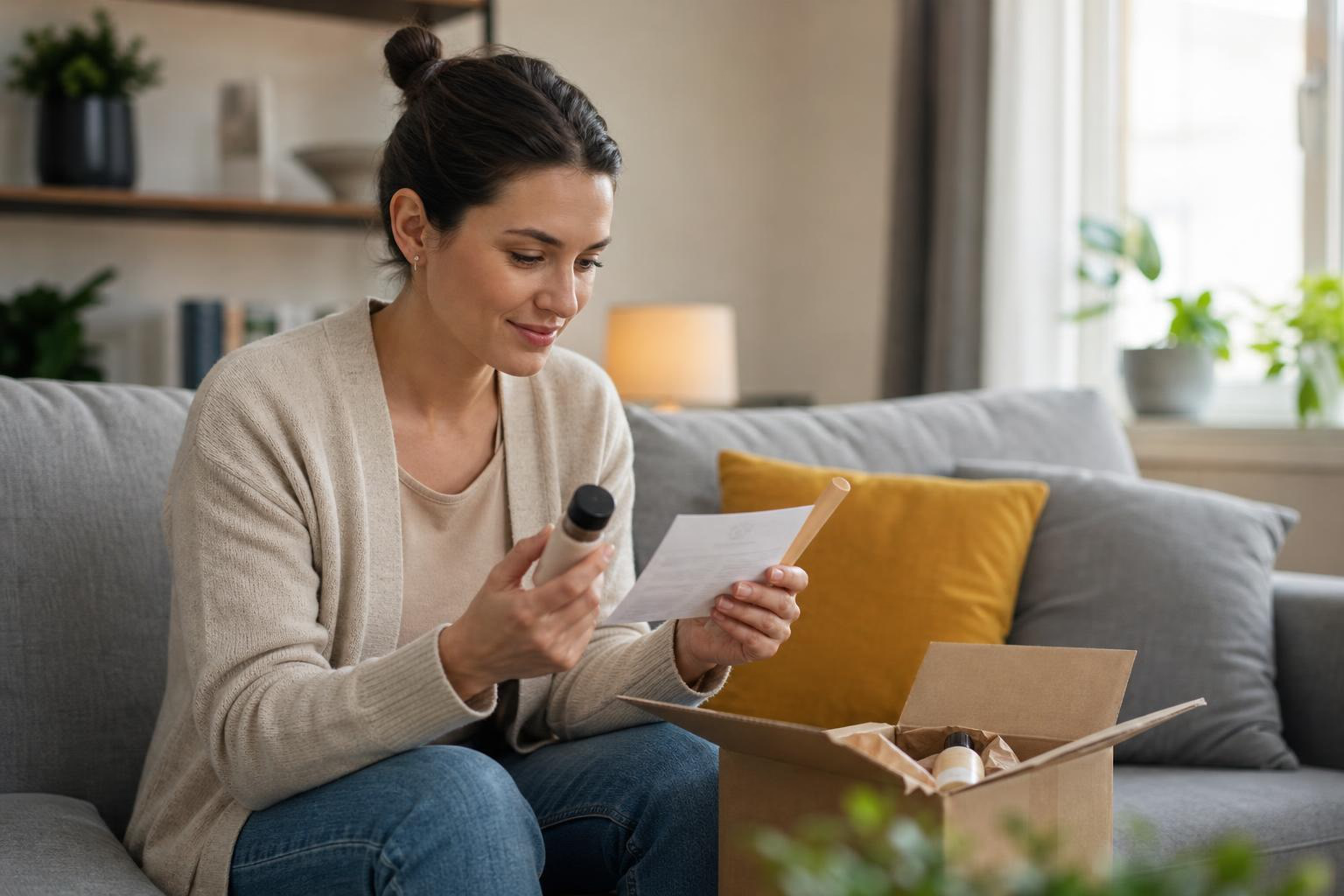
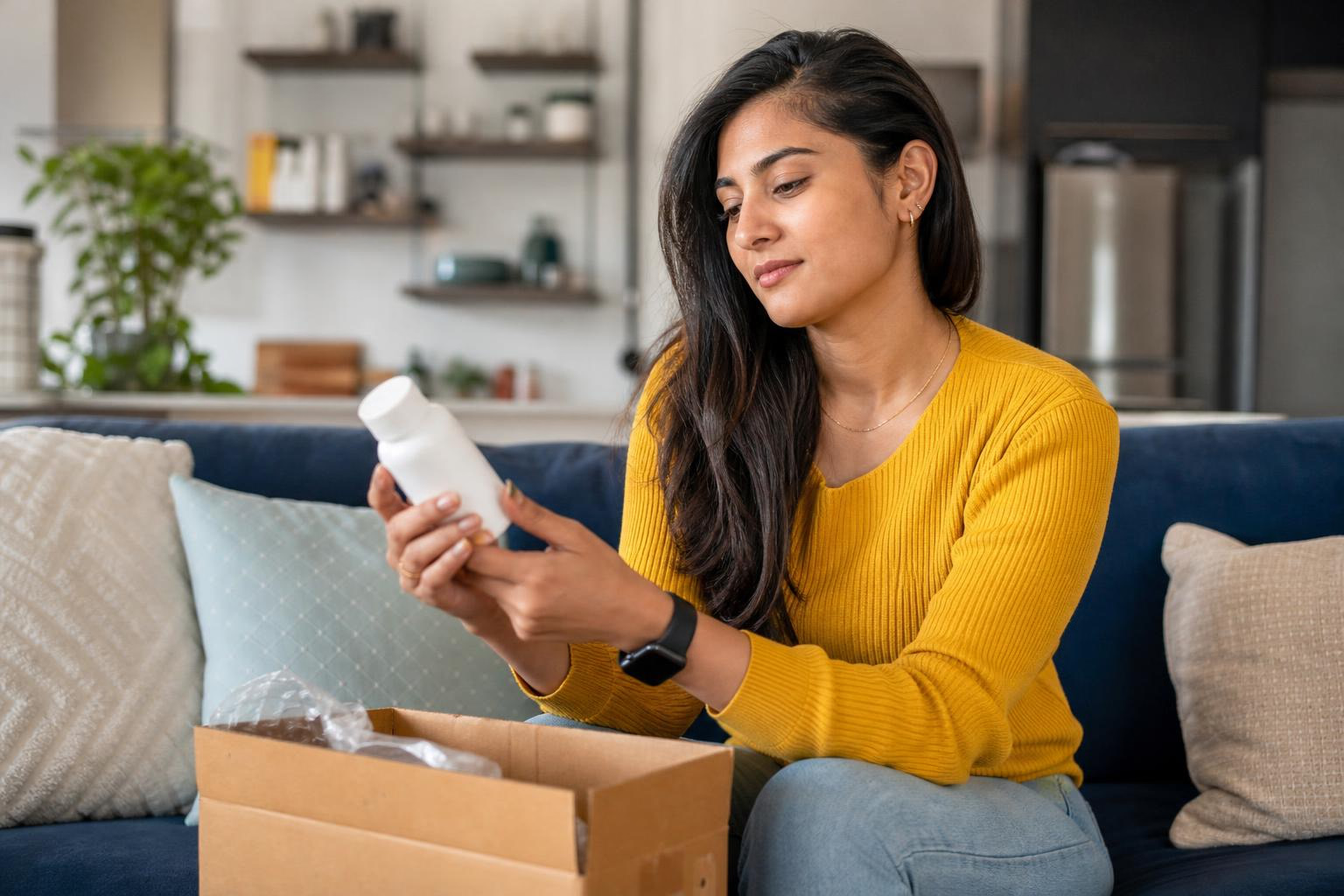
In-store sampling lets shoppers taste, smell, or handle a product inside a physical store, usually with a brand ambassador nearby to explain what makes it worth buying. Digital sampling uses online recruitment, targeting, fulfilment, redemption, or verification to put a physical product into the hands of a specific type of shopper, then follows up with a review request, survey, or data capture.
Neither approach is obsolete. The right choice depends on what proof the brand needs.
Generate verified product reviews from real UK shoppers to support your retailer product pages.
What Is In-Store Sampling?
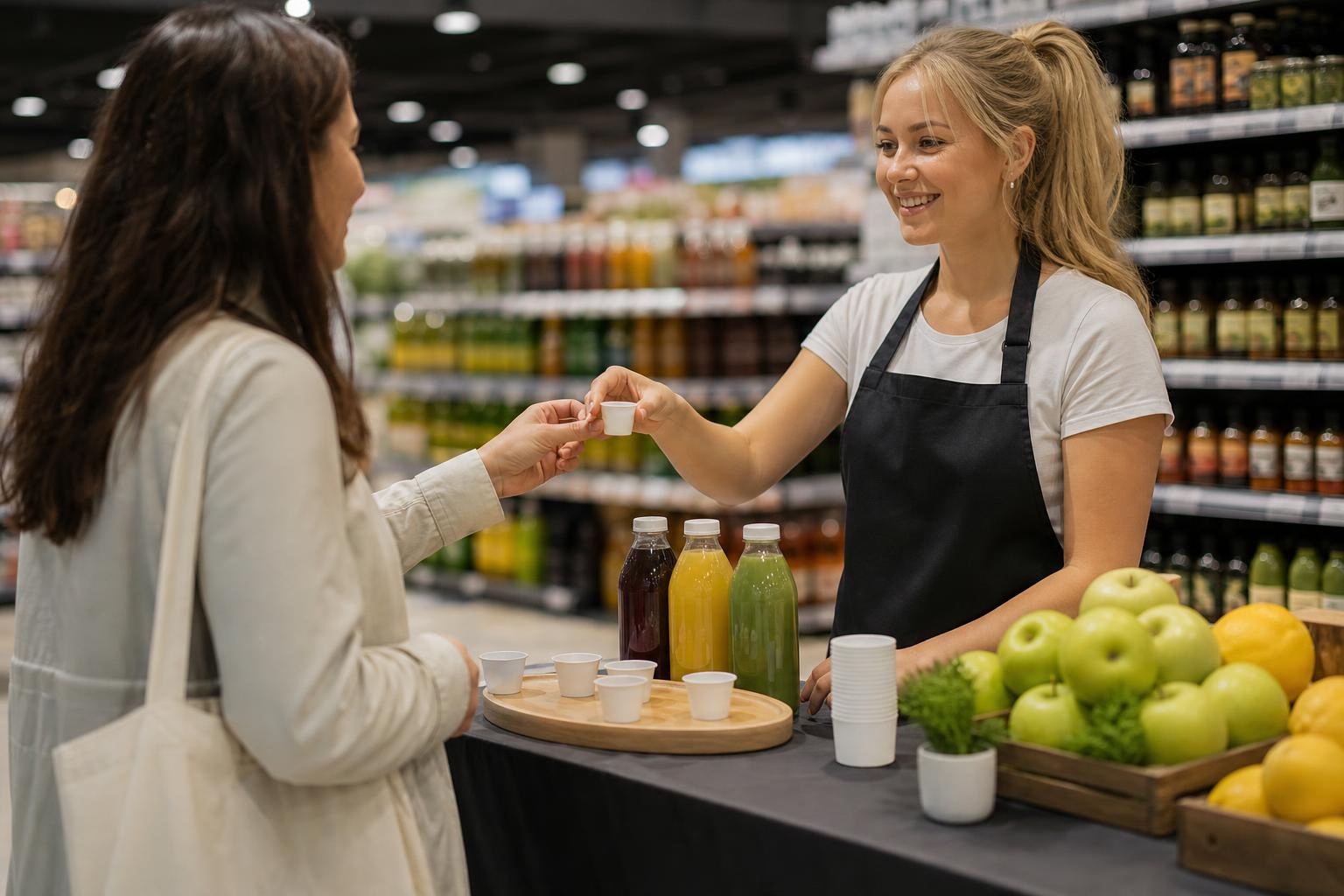
In-store sampling is a product trial activity where shoppers try a product inside or near a physical retail store. Think tasting stations in supermarkets, beauty counter samples in Boots, brand ambassadors handing out snack bars near the aisle, or passive sample stands at store entrances.
It works because it removes purchase hesitation at the exact moment when a shopper can act. Someone tastes a new chilled drink, likes it, and picks up the full-size product three metres away. The gap between trial and transaction is seconds.
Academic research backs this up. A study summarised by the Wisconsin School of Business, covering four product categories and six store-level scanner datasets, found that in-store sampling can create both short-term and sustained sales effects. Repeated sampling events can produce multiplicative long-term results, and sampling one brand can even lift interest in the wider category.
In-store sampling is strongest when the shopper can try the product and put the full-size version in the basket within seconds. For taste-led, smell-led, texture-led, or demonstration-heavy products, nothing replicates the sensory experience of trying before buying.
But the format has a well-known weakness: data. As one digital sampling platform puts it, in-store demos can create trial, but brands often receive little direct data because the shopper tries the product and walks away. No email, no review, no feedback, no way to know if they bought again.
Practitioners on Reddit echo this frustration. One CPG beverage founder described spending money on in-store demos with “basically no visibility into what was working” and ended up building a custom tool to track demos by location, product, rep, and conversion. A commenter replied that they had used platforms combining demo and merchandising tracking but complained about platform fatigue making spreadsheets feel easier.
What Is Digital Sampling?
Digital sampling is a product trial activity managed through online recruitment, targeting, fulfilment, redemption, or verification. The product being sampled is usually still physical. “Digital” refers to the journey around the product, not the product itself.
Digital sampling does not usually mean the sample is digital. It means the recruitment, targeting, fulfilment, verification, or follow-up is digital.
Examples include online sample claims, voucher or QR code redemptions, cashback and rebate mechanics, receipt-upload verification, direct-to-home sampling, and shopper community campaigns where participants buy the product from a specified retailer, verify the purchase, try the product, and leave an honest review.
That last example, receipt-verified sampling, sits in a useful middle ground. It creates a real retailer sales signal (someone actually bought the product) while also generating reviews, survey data, and repeat-purchase tracking.
Digital sampling vendors position the channel around first-party data, reviews, opt-ins, conversion tracking, and targeting. Sampl cites case examples including a brand achieving a 13% review rate and 14% conversion rate from a digital sampling campaign.
Digital sampling is best understood as trackable physical trial, not a digital-only product experience.
In-Store Sampling vs Digital Sampling: Comparison Table
| Dimension | In-store sampling | Digital sampling |
|---|---|---|
| Where trial happens | In or near a physical store | At home, after online claim, through retailer purchase, coupon, cashback, receipt upload, or sample delivery |
| Main strength | Sensory trial and immediate impulse purchase | Targeting, measurement, reviews, data, and follow-up |
| Best for | Taste-led, smell-led, or demonstration-heavy products | NPD review seeding, retailer PDP support, insight collection, CRM opt-ins |
| Typical output | Samples handed out, shopper conversations, sales lift during demo | Verified trials, reviews, survey data, receipt proof, repeat-purchase tracking |
| Audience targeting | Limited to whoever is in that store at that time | Filtered by location, retailer access, demographics, dietary needs, category interest |
| Measurement | Hard to connect sample to purchase to feedback | Easier to track claim, redemption, purchase, review, and repeat behaviour |
| Operational risk | Staff no-shows, low footfall, poor ambassadors, out-of-stock product | Freebie hunters, rejected reviews, fulfilment delays, confusing shopper tasks |
| Retailer value | Creates theatre and lifts store sales | Generates reviews, PDP proof, shopper data, and retailer search signals |
The main difference is not “offline vs online.” It is unmeasured moment vs measurable journey. In-store sampling is strongest at the shelf. Digital sampling is strongest before and after the trial.
Which Sampling Method Is Better for FMCG Brands?
The question is not which is better. The question is what proof the brand needs.
Choose in-store sampling when:
The product needs taste, smell, texture, temperature, or a live demonstration. The product is stocked and easy to find in the sampled store. Immediate sales lift matters more than reviews or CRM data. Retailer relationship-building is a priority. The brand has the staff and logistics to execute well.
One important caveat: confirm product availability before scheduling demos. Practitioners on Reddit’s beverage industry forum advise that brands should not sample until people can buy the product, and that tracking how many shoppers purchase after trying gives a better signal of genuine interest than feedback alone. You can check in-store availability and compliance before activation to avoid wasting demo spend on empty shelves.
Choose digital sampling when:
The goal is reviews, ratings, shopper feedback, or first-party data. The product is sold across retailer websites and PDP conversion matters. The brand needs a targeted audience rather than random footfall. The campaign needs to run across regions without booking demo staff in every store. Review recency and volume are priorities.
The review angle is commercially significant. PowerReviews found that for grocery and CPG product pages, moving from zero reviews to just 1 to 10 reviews was associated with a 194.5% conversion lift compared with pages in the same category with no reviews.
Choose both when:
Launching NPD. Supporting a retailer promotion. Trying to improve both shelf velocity and PDP conversion. Preparing for a range review. The product has low awareness and low review coverage.
In-store sampling creates experience. Digital sampling creates evidence. The strongest FMCG campaigns often need both. For a step-by-step approach to hybrid launches, the NPD sampling launch plan covers the sequencing in detail.
Support your next shopper promotion with a plan that combines trial, reviews, and retail execution.
How to Measure In-Store and Digital Sampling
Measurement is where the in-store sampling vs digital sampling gap is widest.
In-store sampling KPIs
Samples distributed. Shoppers engaged. Units sold during the event. Demo-day sales vs store baseline. Incremental units vs matched control stores. Stock availability before and after the demo. POS compliance. Post-event sales at 4, 8, and 12 weeks.
One LinkedIn practitioner, Jenn Orr, shared that she does not focus on shoppers saying “this is so good.” She tracks units sold during the demo, compares with the weekly baseline, checks multi-unit purchases, and watches whether sales continue after the tasting rather than merely spiking during the event.
Compliments are not a KPI. Velocity is.
Digital sampling KPIs
Qualified applicants. Sample claims. Redemption rate. Receipt uploads. Verified purchase rate. Review submission rate. Review approval rate. Average rating. Survey completion. Cost per verified trial. Cost per approved review. Repeat purchase or repurchase intent.
For brands trying to quantify the commercial return from reviews, this guide on product review ROI walks through the calculation.
Why “samples handed out” is not enough
Demo Wizard argues that units sampled is a vanity metric and that retailers care about category velocity, sell-through, and compliance. Another LinkedIn practitioner, Gregory Yankelovich, identifies three common in-store sampling traps: sampling products with poor unit economics, scheduling demos during low-traffic periods, and using untrained gig workers.
If a sampling campaign cannot prove who tried the product, whether they could buy it, what they thought, and what happened next, it is only measuring activity, not impact.
Cost Differences
In-store sampling usually pays for people, places, and time. Digital sampling usually pays for targeting, fulfilment, reimbursement, verification, and follow-up.
In-store cost drivers include staff (UK promotional staff can cost roughly £150 to £260 per person per day), training, demo equipment, food safety handling, travel, store access or retailer fees, sample stock, wastage, and management.
Digital cost drivers include the sample product or reimbursement, postage or cashback, technology and platform fees, shopper recruitment, incentives, receipt verification, review moderation, and customer support. For a fuller breakdown, this guide on free sample campaigns for UK grocery brands covers cost structures across multiple sampling mechanics.
In-store sampling often looks expensive because the labour is visible. Digital sampling often looks cheaper until fulfilment, reimbursement, verification, and follow-up are included. Neither is universally cheaper. The better question is cost per useful commercial signal: cost per verified trial, cost per approved review, or cost per incremental unit sold.
UK Compliance Note for Review-Led Sampling
This matters for any brand using digital sampling to generate product reviews. UK law now treats fake reviews and concealed incentivised reviews as a serious consumer protection issue.
GOV.UK states that hidden incentivised reviews are a banned practice, covering reviews where it is hidden that they were written in exchange for money, free stays, or freebies. The CMA’s guidance requires traders publishing reviews to take steps to prevent fake reviews and hidden-incentive reviews. And ASA/CAP says directly incentivising positive reviews is likely problematic, while genuine, unbiased incentivised reviews may be acceptable if handled transparently.
The compliant approach: recruit genuine shoppers. Let them try or buy the product. Ask for an honest review. Disclose incentives where required. Accept that some feedback may be negative. For a full breakdown, the UK product review compliance rules guide covers CMA, ASA, and retailer-specific requirements.
Digital sampling for reviews is not the same as paying for praise.
Where Brand Allies Fits
Brand Allies is a UK-only managed-service shopper advocacy platform for FMCG brands. Powered by Redwigwam’s 250,000+ UK shopper community, it helps shoppers buy, try, and review products on retailer websites including Tesco, Sainsbury’s, Ocado, Asda, Morrisons, Boots, Sephora, Holland & Barrett, Amazon, and TikTok Shop.
The model is pay per verified review. The platform also offers in-store activations and in-store compliance checks, making it useful for brands running hybrid campaigns that need both digital shelf proof and physical shelf execution.
For FMCG brands, the highest-value sampling outcome is not always a sample handed out. It may be a verified purchase, an approved retailer review, and a fresh trust signal on the product page.
Book a demo to see how Brand Allies supports review generation and in-store compliance for UK FMCG brands.
FAQs
Is digital sampling the same as sending free samples by post?
No. Direct-to-home sampling is one form of digital sampling, but digital sampling also includes voucher redemption, cashback, receipt-verified purchase, online recruitment, shopper surveys, and review generation. The defining feature is a digitally managed shopper journey, not a specific delivery method. See the differences between cashback, rebate, and sampling for more clarity.
Is in-store sampling better than digital sampling?
Not universally. In-store sampling is better for sensory trial and immediate shelf conversion. Digital sampling is better for targeting, measurement, reviews, and follow-up. The strongest NPD launches often combine both.
Can digital sampling drive in-store sales?
Yes. Many digital sampling campaigns send shoppers to a physical retailer through a coupon, cashback offer, or receipt-verified purchase mechanic. The shopper buys from a real store, which creates a genuine sales signal for the retailer.
What is receipt-verified sampling?
Receipt-verified sampling is a digital sampling mechanic where shoppers buy the product from a retailer, upload or verify a receipt, and then receive reimbursement, cashback, or a follow-up task such as a review or survey. It creates both purchase proof and review assets.
Which sampling method is better for product reviews?
Digital or receipt-verified sampling is usually stronger for review generation because the shopper journey includes follow-up after trial. In-store sampling creates trial, but brands rarely capture contact details or a review unless a digital step is added.
Are incentivised reviews allowed in the UK?
Incentivised reviews are risky if the incentive is hidden or if the brand requests positive reviews specifically. UK guidance treats concealed incentivised reviews as a banned practice. Genuine, unbiased reviews with transparent incentive disclosure may be acceptable.
What should FMCG brands measure after a sampling campaign?
Measure verified trial, purchase, reviews submitted and approved, sales lift, stock availability, cost per verified trial, cost per approved review, repeat purchase intent, and shopper feedback quality. Avoid relying only on “samples handed out” as a success metric.